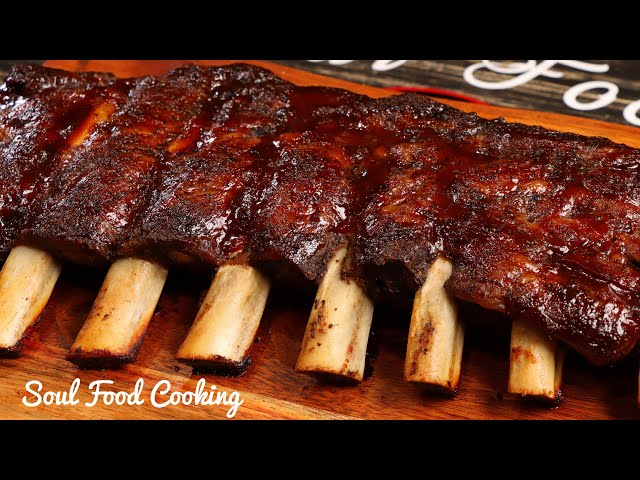
Cooking beef ribs in the oven is a great way to achieve fall-off-the-bone tenderness and rich flavor.
Oven-cooking allows for precise temperature control, ensuring even cooking throughout the ribs.
Steps to Cook Beef Ribs in the Oven
- Preheat the oven to 275F (135C).
- Remove the membrane from the back of the ribs.
- Season the ribs with your favorite rub or spices.
- Place the ribs on a baking sheet lined with parchment paper.
- Cook the ribs for 3-4 hours, or until the internal temperature reaches 195F (90C).
- Let the ribs rest for 30 minutes before serving.
How to Cook Beef Ribs in the Oven
Cooking beef ribs in the oven is a great way to achieve fall-off-the-bone tenderness and rich flavor. By following a few simple steps, you can create a delicious and satisfying meal.
- Preheat the oven: The oven temperature should be set to 275F (135C) to ensure even cooking.
- Remove the membrane: Removing the membrane from the back of the ribs allows the rub or spices to penetrate the meat more easily.
- Season the ribs: Season the ribs with your favorite rub or spices to enhance the flavor.
- Place the ribs on a baking sheet: Line a baking sheet with parchment paper to prevent the ribs from sticking.
- Cook the ribs: Cook the ribs for 3-4 hours, or until the internal temperature reaches 195F (90C).
- Let the ribs rest: Allow the ribs to rest for 30 minutes before serving to allow the juices to redistribute.
- Serve and enjoy: Serve the ribs with your favorite sides and enjoy the delicious results!
By following these simple steps, you can cook beef ribs in the oven that are tender, flavorful, and fall-off-the-bone delicious.
Preheat the oven
Preheating the oven to the correct temperature is crucial for cooking beef ribs in the oven. When the oven is preheated to 275F (135C), it ensures that the ribs cook evenly throughout, resulting in tender and juicy meat. Cooking at a lower temperature for a longer period allows the collagen in the ribs to break down, resulting in fall-off-the-bone tenderness.
- Consistent Cooking: Preheating the oven to the desired temperature helps maintain a consistent cooking environment, ensuring that all parts of the ribs cook at the same rate. This prevents overcooking or undercooking, resulting in evenly cooked ribs.
- Tender and Juicy Meat: Cooking the ribs at a low temperature for an extended period allows the natural juices to be retained within the meat. This results in tender and juicy ribs that are flavorful and satisfying.
- Fall-Off-the-Bone Tenderness: The low and slow cooking process allows the collagen in the ribs to break down gradually, resulting in fall-off-the-bone tenderness. This creates ribs that are easy to eat and melt in your mouth.
- Enhanced Flavor: Preheating the oven helps to create a flavorful crust on the outside of the ribs while keeping the inside moist and juicy. This combination of textures and flavors enhances the overall eating experience.
In conclusion, preheating the oven to the correct temperature is a fundamental step in cooking beef ribs in the oven. It ensures even cooking, tender and juicy meat, fall-off-the-bone tenderness, and enhanced flavor, ultimately leading to a delicious and satisfying meal.
Remove the membrane
Removing the membrane, also known as the silverskin, from the back of the ribs is a crucial step in preparing beef ribs for oven cooking. This thin, connective tissue layer covers the bone side of the ribs and can prevent the rub or spices from fully penetrating the meat, resulting in less flavorful ribs.
- Enhanced Flavor Absorption: The membrane acts as a barrier, preventing the rub or spices from reaching the meat’s surface. Removing it allows the seasonings to penetrate deeply, resulting in ribs with a more intense and well-rounded flavor profile.
- Improved Tenderness: Removing the membrane also helps improve the tenderness of the ribs. When cooked, the membrane can become tough and chewy, making the ribs less enjoyable to eat. Removing it allows the meat to cook more evenly, resulting in tender and fall-off-the-bone ribs.
- Easier Carving: Removing the membrane makes it easier to carve the ribs after cooking. The membrane can stick to the bones, making it difficult to separate the meat cleanly. Removing it allows the ribs to be carved more easily, ensuring a clean and presentable presentation.
- Time-Saving: Removing the membrane before cooking saves time in the long run. By allowing the rub or spices to penetrate more effectively, the ribs will require less cooking time to achieve the desired level of flavor and tenderness.
In conclusion, removing the membrane from the back of the ribs is an essential step in preparing beef ribs for oven cooking. It enhances flavor absorption, improves tenderness, eases carving, and saves time, ultimately contributing to a more delicious and satisfying meal.
Season the ribs
Seasoning the ribs is a crucial step in cooking beef ribs in the oven, as it enhances the flavor and creates a delicious and flavorful crust. By applying a flavorful rub or spices to the ribs before cooking, you can infuse them with a variety of aromas and tastes, creating a more complex and satisfying dish.
- Flavor Enhancement: Seasoning the ribs helps to enhance the natural flavors of the beef, creating a more flavorful and satisfying dish. Different rubs and spices offer unique flavor profiles, allowing you to customize the taste of your ribs to your preference.
- Crust Formation: Seasoning the ribs also helps to create a flavorful crust on the outside of the ribs. When cooked in the oven, the spices and herbs in the rub will caramelize and create a crispy, flavorful crust that adds an extra layer of texture and taste to the ribs.
- Moisture Retention: Seasoning the ribs helps to retain moisture during the cooking process. The spices and herbs in the rub help to create a barrier on the surface of the ribs, preventing the juices from evaporating. This results in more tender and juicy ribs.
- Versatility: Seasoning the ribs allows for versatility in flavor. You can choose from a wide range of rubs and spices to create different flavor profiles, such as smoky, spicy, or herby. This allows you to customize the ribs to your taste and preferences.
In conclusion, seasoning the ribs is an essential step in cooking beef ribs in the oven. It enhances the flavor, creates a flavorful crust, retains moisture, and allows for versatility in taste. By seasoning the ribs with your favorite rub or spices, you can create a delicious and flavorful dish that will impress your family and friends.
Place the ribs on a baking sheet
When cooking beef ribs in the oven, lining a baking sheet with parchment paper is a crucial step that contributes to the success of the cooking process. Parchment paper acts as a barrier between the ribs and the baking sheet, preventing the ribs from sticking and burning.
The primary benefit of using parchment paper is that it allows for easy removal of the ribs once cooked. Without parchment paper, the ribs can stick to the baking sheet, making it difficult to remove them without tearing or damaging the meat. This is especially important when cooking ribs for an extended period, as they become more tender and delicate.
Furthermore, parchment paper helps to promote even cooking by distributing heat evenly across the ribs. This prevents hot spots that can burn the ribs or cause them to cook unevenly. The parchment paper also helps to retain moisture, resulting in more tender and juicy ribs.
In addition to its practical benefits, using parchment paper when cooking beef ribs in the oven also saves time and effort during cleanup. The parchment paper catches any drippings or splatters, making it easier to clean the baking sheet and oven.
In conclusion, lining a baking sheet with parchment paper is an essential step when cooking beef ribs in the oven. It prevents the ribs from sticking and burning, promotes even cooking, retains moisture, and makes cleanup easier. By following this simple step, you can ensure that your beef ribs turn out perfectly cooked and delicious.
Cook the ribs
Cooking the ribs for the specified time and temperature is a crucial step in the process of cooking beef ribs in the oven. This step directly relates to the overall success and quality of the final dish.
Cooking the ribs for an adequate amount of time allows the meat to reach its optimal tenderness and flavor. Beef ribs are a tough cut of meat that require a long, slow cooking process to break down the connective tissues and create a tender, fall-off-the-bone texture. Cooking the ribs for less than the recommended time may result in tough, chewy meat, while cooking them for too long can dry out the ribs and make them less flavorful.
Using a meat thermometer to measure the internal temperature of the ribs ensures that they are cooked to the correct doneness. The target internal temperature of 195F (90C) indicates that the ribs have reached a safe and optimal level of doneness. Cooking the ribs to this temperature ensures that they are fully cooked and safe to consume while still retaining their tenderness and juiciness.
In conclusion, the step of cooking the ribs for 3-4 hours or until the internal temperature reaches 195F (90C) is essential for achieving tender, flavorful, and safe beef ribs cooked in the oven. Understanding the importance of this step and following the recommended cooking time and temperature will result in a successful and satisfying culinary experience.
Let the ribs rest
The step of letting the ribs rest for 30 minutes before serving is often overlooked, but it plays a crucial role in the overall quality and enjoyment of beef ribs cooked in the oven.
- Juice Redistribution: Resting the ribs allows the juices to redistribute throughout the meat, resulting in more evenly moist and flavorful ribs. When meat is cooked, the juices are pushed towards the center. Resting allows these juices to redistribute, ensuring that each bite is juicy and succulent.
- Tenderness Enhancement: Resting the ribs also contributes to their tenderness. During cooking, the proteins in the meat contract, which can make the meat tough. Resting allows these proteins to relax, resulting in more tender and fall-off-the-bone ribs.
- Flavor Development: Resting the ribs allows the flavors to continue to develop and meld together. As the ribs rest, the juices redistribute, carrying the flavors throughout the meat, creating a more harmonious and complex flavor profile.
- Carving and Serving: Resting the ribs makes them easier to carve and serve. When ribs are hot off the oven, they can be difficult to handle and carve without losing juices. Resting allows the ribs to cool slightly, making them easier to handle and resulting in cleaner and more presentable slices.
In conclusion, resting the ribs for 30 minutes before serving is an essential step in the process of cooking beef ribs in the oven. It promotes juice redistribution, enhances tenderness, allows flavors to develop, and makes carving and serving easier. By incorporating this simple step into the cooking process, you can elevate the quality and enjoyment of your oven-cooked beef ribs.
Serve and enjoy
The final step in cooking beef ribs in the oven is to serve and enjoy them. This may seem like a straightforward step, but there are a few key considerations that can enhance the overall experience.
- Choosing the Right Sides: The choice of sides can greatly complement and enhance the flavor of the ribs. Classic sides such as mashed potatoes, roasted vegetables, or coleslaw provide a balance of flavors and textures. Consider the flavors of the rub or sauce used on the ribs when selecting sides to create a harmonious meal.
- Presentation: The presentation of the ribs can make them even more appetizing. Arrange the ribs on a serving platter or cutting board and garnish with fresh herbs or a drizzle of sauce. This small touch adds a touch of elegance and makes the ribs look more inviting.
- Serving Temperature: Ribs are best served hot off the oven, but letting them rest for a few minutes before carving and serving allows the juices to redistribute, resulting in more tender and flavorful meat.
- Accompaniments: Consider serving additional accompaniments such as barbecue sauce, horseradish sauce, or a simple vinaigrette to provide additional flavor options for guests.
By following these simple tips, you can ensure that the final step of cooking beef ribs in the oven is just as successful as the rest of the process. Serving and enjoying the ribs with your favorite sides will create a memorable and satisfying meal.
FAQs
The following frequently asked questions and answers provide additional insights and clarifications regarding cooking beef ribs in the oven:
Question 1: What is the best temperature to cook beef ribs in the oven?
For optimal tenderness and flavor, cook beef ribs in the oven at a temperature of 275 degrees Fahrenheit (135 degrees Celsius).
Question 2: How long should I cook beef ribs in the oven?
The cooking time for beef ribs in the oven varies depending on the size and thickness of the ribs. As a general guideline, allow 3 to 4 hours of cooking time for a rack of beef ribs.
Question 3: Should I wrap the beef ribs in foil when cooking them in the oven?
Wrapping the beef ribs in foil during the cooking process is optional. Wrapping the ribs in foil can help to retain moisture and create a more tender result, but it can also prevent the ribs from developing a crispy outer layer.
Question 4: What is the best way to season beef ribs before cooking?
There are various ways to season beef ribs before cooking. You can use a store-bought rub, create your own blend of spices, or simply season the ribs with salt and pepper. Apply the seasoning liberally to all sides of the ribs.
Question 5: How do I know when the beef ribs are done cooking?
The best way to determine if the beef ribs are done cooking is to measure their internal temperature using a meat thermometer. The ribs are done when they reach an internal temperature of 195 degrees Fahrenheit (90 degrees Celsius).
Question 6: What are some tips for achieving fall-off-the-bone beef ribs?
To achieve fall-off-the-bone beef ribs, cook them slowly and at a low temperature. Allow the ribs to rest for 30 minutes before serving to allow the juices to redistribute.
By addressing these common questions, you can gain a better understanding of the process and techniques involved in cooking beef ribs in the oven. Experiment with different seasonings, cooking times, and methods to discover what works best for your taste and preferences.
Tips for Cooking Beef Ribs in the Oven
Cooking beef ribs in the oven is a great way to achieve fall-off-the-bone tenderness and rich flavor. Here are some tips to help you cook the perfect beef ribs:
Tip 1: Choose the right ribs.
The best beef ribs for cooking in the oven are bone-in short ribs or back ribs. These ribs have a good amount of meat and fat, which will help them to stay moist and flavorful during cooking.
Tip 2: Season the ribs liberally.
Season the ribs with your favorite rub or spices. Be sure to apply the seasoning evenly to all sides of the ribs. This will help to create a flavorful crust and enhance the overall flavor of the ribs.
Tip 3: Cook the ribs at a low temperature.
Cook the ribs at a low temperature of 275 degrees Fahrenheit (135 degrees Celsius) for 3-4 hours, or until they are fall-off-the-bone tender. Cooking the ribs at a low temperature will help to break down the connective tissues and create tender, juicy meat.
Tip 4: Wrap the ribs in foil (optional).
Wrapping the ribs in foil during the cooking process can help to retain moisture and create more tender ribs. However, wrapping the ribs in foil can also prevent them from developing a crispy outer layer. If you choose to wrap the ribs in foil, do so for the last hour of cooking.
Tip 5: Let the ribs rest before serving.
Once the ribs are cooked, let them rest for 30 minutes before serving. This will allow the juices to redistribute throughout the meat, resulting in more tender and flavorful ribs.
Summary:
By following these tips, you can cook beef ribs in the oven that are fall-off-the-bone tender, flavorful, and juicy. Serve the ribs with your favorite sides and enjoy!
Conclusion
Cooking beef ribs in the oven is a culinary technique that requires patience and attention to detail, but the result is a flavorful and satisfying dish that is sure to impress. By following the steps outlined in this article, you can achieve fall-off-the-bone tender beef ribs that are infused with your favorite flavors.
Remember to choose high-quality ribs, season them liberally, cook them at a low temperature, and let them rest before serving. With a little practice, you’ll be able to master the art of cooking beef ribs in the oven and create a memorable dining experience for your family and friends.
Youtube Video: