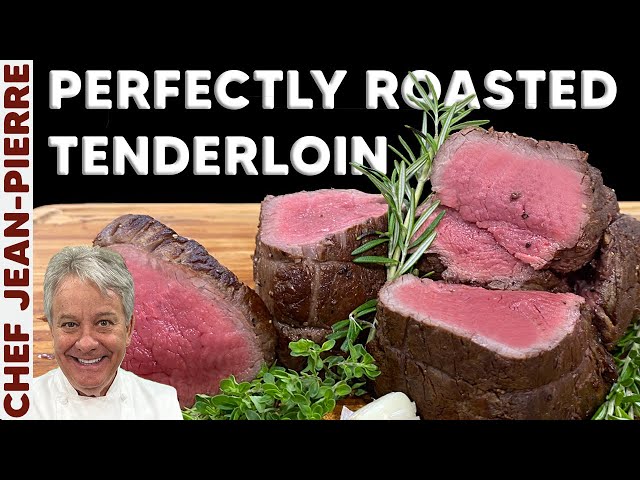
Cooking beef tenderloin the right way is essential to enjoying its delicate flavor and texture. Beef tenderloin is a premium cut of meat that is known for its tenderness and juiciness. It is a popular choice for special occasions and is often served at high-end restaurants. There are many different ways to cook beef tenderloin, but not every way is the best. This article will show you the best way to cook beef tenderloin so that you can enjoy it at its best.
There are many benefits to cooking beef tenderloin the right way. First, it will be more tender and juicy. Second, it will have a more flavorful crust. Third, it will be less likely to overcook. Overcooked beef tenderloin is tough and chewy, but cooked the right way, it is melt-in-your-mouth delicious.
Now that you know the importance of cooking beef tenderloin the right way, let’s talk about how to do it. The first step is to choose the right cut of meat. Look for a tenderloin that is a deep red color and has a good amount of marbling. The marbling will help to keep the meat moist and flavorful.
Best Way to Cook Beef Tenderloin
Cooking beef tenderloin the right way is essential to enjoying its delicate flavor and texture. There are many different ways to cook beef tenderloin, but not every way is the best. This article will discuss the eight key aspects of cooking beef tenderloin to help you achieve the best results.
- Choose the right cut of meat: Look for a tenderloin that is a deep red color and has a good amount of marbling.
- Season the meat: Season the meat liberally with salt and pepper, or use your favorite steak seasoning.
- Sear the meat: Sear the meat in a hot pan over high heat to create a flavorful crust.
- Roast the meat: Roast the meat in a preheated oven at 400 degrees Fahrenheit until it reaches the desired internal temperature.
- Let the meat rest: Let the meat rest for 10-15 minutes before slicing and serving.
- Slice the meat: Slice the meat against the grain for maximum tenderness.
- Serve the meat: Serve the meat with your favorite sides and enjoy!
By following these eight key aspects, you can cook a beef tenderloin that is tender, juicy, and flavorful. This dish is perfect for a special occasion or any time you want to enjoy a delicious meal.
Choose the right cut of meat
Choosing the right cut of meat is essential to cooking a great beef tenderloin. The tenderloin is a long, narrow muscle that runs along the spine of the cow. It is one of the most tender cuts of beef, and it is known for its delicate flavor and texture.
When choosing a beef tenderloin, look for a cut that is a deep red color and has a good amount of marbling. The marbling is the white fat that runs through the meat. It helps to keep the meat moist and flavorful during cooking.
If you are not sure how to choose a beef tenderloin, ask your butcher for help. They can help you find a cut that is the right size and quality for your needs.
Choosing the right cut of meat is just the first step to cooking a great beef tenderloin. Be sure to follow the rest of the steps in this guide to ensure that your tenderloin turns out perfectly.
Season the meat
Seasoning the meat is an important step in cooking beef tenderloin because it helps to enhance the flavor of the meat. Salt and pepper are the most basic seasonings, but you can also use your favorite steak seasoning. Steak seasonings typically contain a blend of herbs and spices that can add a lot of flavor to the meat.
When seasoning the meat, be sure to season it liberally. This means that you should use enough seasoning so that the meat is evenly coated. However, you should not over-season the meat, as this can make it too salty.
Seasoning the meat is a simple step, but it can make a big difference in the flavor of the finished dish. Be sure to season your meat liberally before cooking it to ensure that it is as flavorful as possible.
Sear the meat
Searing the meat is an important step in cooking beef tenderloin because it creates a flavorful crust on the outside of the meat while keeping the inside tender and juicy. The high heat of the pan caramelizes the sugars on the surface of the meat, creating a delicious and complex flavor.
- Maillard reaction: The Maillard reaction is a chemical reaction that occurs between amino acids and sugars when they are heated. This reaction is responsible for the browning of meat and the creation of flavorful compounds. Searing the meat at a high temperature promotes the Maillard reaction, resulting in a more flavorful crust.
- Caramelization: Caramelization is the browning of sugars. When the meat is seared, the sugars on the surface of the meat caramelize, creating a sweet and flavorful crust.
- Crust formation: The high heat of the pan creates a crust on the outside of the meat. This crust helps to seal in the juices and prevent the meat from drying out.
- Flavor development: Searing the meat develops flavor compounds that would not be created if the meat were cooked at a lower temperature. These flavor compounds add depth and complexity to the flavor of the meat.
Searing the meat is a simple technique that can add a lot of flavor to your beef tenderloin. Be sure to sear the meat over high heat to create a flavorful crust.
Roast the meat
Roasting the meat is an essential step in cooking beef tenderloin because it allows the meat to cook evenly and develop a flavorful crust. The high heat of the oven helps to caramelize the sugars on the surface of the meat, creating a delicious and complex flavor. Roasting the meat also helps to render the fat, making the meat more tender and juicy.
- Temperature control: Roasting the meat at a high temperature helps to create a flavorful crust while keeping the inside of the meat tender and juicy. Using an oven thermometer to ensure that the oven is at the correct temperature is important.
- Even cooking: Roasting the meat in the oven helps to cook the meat evenly. This is important because it ensures that the meat is cooked to the desired doneness throughout.
- Flavor development: The high heat of the oven helps to develop the flavor of the meat. The caramelization of the sugars on the surface of the meat creates a delicious and complex flavor.
- Tenderness: Roasting the meat helps to tenderize the meat. The high heat of the oven breaks down the tough connective tissues in the meat, making it more tender and juicy.
Roasting the meat is a simple technique that can add a lot of flavor to your beef tenderloin. Be sure to roast the meat at a high temperature to create a flavorful crust and cook the meat evenly.
Let the meat rest
Letting the meat rest before slicing and serving is an important step in cooking beef tenderloin because it allows the juices to redistribute throughout the meat, resulting in a more tender and juicy eating experience. When meat is cooked, the proteins in the muscle fibers contract and squeeze out the juices. If the meat is sliced immediately after cooking, the juices will run out onto the cutting board and the meat will be dry. However, if the meat is allowed to rest, the juices will have time to redistribute throughout the meat, resulting in a more even distribution of moisture and a more tender and juicy eating experience.
- Improved tenderness: Resting the meat allows the muscles to relax and the connective tissues to break down, resulting in more tender meat.
- Enhanced juiciness: Resting the meat allows the juices to redistribute throughout the meat, resulting in a more even distribution of moisture and a more juicy eating experience.
- Reduced shrinkage: Resting the meat allows the meat to cool slightly, which reduces the amount of shrinkage that occurs when the meat is sliced.
- Improved flavor: Resting the meat allows the flavors to develop and meld together, resulting in a more flavorful eating experience.
Letting the meat rest is a simple step that can make a big difference in the quality of your beef tenderloin. Be sure to let the meat rest for 10-15 minutes before slicing and serving to ensure that you get the most tender, juicy, and flavorful eating experience possible.
Slice the meat
Slicing the meat against the grain is an important step in cooking beef tenderloin because it helps to make the meat more tender and juicy. The grain of the meat refers to the direction of the muscle fibers. When meat is cooked, the muscle fibers contract and shorten, which can make the meat tough. However, if the meat is sliced against the grain, the muscle fibers are cut across, which makes the meat more tender.
- Improved tenderness: Slicing the meat against the grain helps to break down the muscle fibers, resulting in more tender meat.
- Enhanced juiciness: Slicing the meat against the grain helps to prevent the juices from escaping, resulting in more juicy meat.
- Reduced chewing effort: Slicing the meat against the grain makes it easier to chew, which can be especially beneficial for people with dentures or other dental problems.
- Improved flavor: Slicing the meat against the grain helps to release the meat’s natural flavors, resulting in a more flavorful eating experience.
Slicing the meat against the grain is a simple step that can make a big difference in the quality of your beef tenderloin. Be sure to slice the meat against the grain before serving to ensure that you get the most tender, juicy, and flavorful eating experience possible.
Serve the meat
Serving the meat is the final step in cooking beef tenderloin, and it is an important one. The way you serve the meat can affect its taste and presentation.
There are many different ways to serve beef tenderloin. Some popular options include:
- Sliced and served with a simple sauce, such as a red wine sauce or barnaise sauce
- Roasted and served with roasted vegetables, such as asparagus or carrots
- Grilled and served with a grilled vegetable salad
- Sliced and served on a bed of mashed potatoes or rice
No matter how you choose to serve it, be sure to let the meat rest for 10-15 minutes before slicing and serving. This will allow the juices to redistribute throughout the meat, resulting in a more tender and juicy eating experience.
Beef tenderloin is a delicious and versatile cut of meat that can be enjoyed in many different ways. By following the tips in this article, you can cook a beef tenderloin that is perfect for any occasion.
FAQs about the Best Way to Cook Beef Tenderloin
Cooking beef tenderloin can be a daunting task, but it doesn’t have to be. By following the tips in this article, you can cook a beef tenderloin that is perfect for any occasion.
Question 1: What is the best way to season beef tenderloin?
Answer: Season the beef tenderloin liberally with salt and pepper. You can also use your favorite steak seasoning.
Question 2: What is the best way to cook beef tenderloin?
Answer: The best way to cook beef tenderloin is to sear it in a hot pan over high heat to create a flavorful crust. Then, roast the meat in a preheated oven at 400 degrees Fahrenheit until it reaches the desired internal temperature. Let the meat rest for 10-15 minutes before slicing and serving.
Question 3: What is the best way to slice beef tenderloin?
Answer: Slice the beef tenderloin against the grain for maximum tenderness.
Question 4: What are some tips for cooking beef tenderloin?
Answer: Here are some tips for cooking beef tenderloin:
- Choose a high-quality cut of beef tenderloin.
- Season the beef tenderloin liberally with salt and pepper.
- Sear the beef tenderloin in a hot pan over high heat to create a flavorful crust.
- Roast the beef tenderloin in a preheated oven at 400 degrees Fahrenheit until it reaches the desired internal temperature.
- Let the beef tenderloin rest for 10-15 minutes before slicing and serving.
- Slice the beef tenderloin against the grain for maximum tenderness.
Question 5: What are some common mistakes to avoid when cooking beef tenderloin?
Answer: Here are some common mistakes to avoid when cooking beef tenderloin:
- Overcooking the beef tenderloin.
- Slicing the beef tenderloin with the grain.
- Not letting the beef tenderloin rest before slicing and serving.
Question 6: What are some good side dishes to serve with beef tenderloin?
Answer: Here are some good side dishes to serve with beef tenderloin:
- Roasted vegetables
- Mashed potatoes
- Grilled asparagus
- Creamed spinach
Summary: Cooking beef tenderloin is a skill that can be mastered with practice. By following the tips in this article, you can cook a beef tenderloin that is perfect for any occasion.
Transition to the next article section: Now that you know how to cook beef tenderloin, you can impress your friends and family with this delicious and impressive dish.
Tips for Cooking Beef Tenderloin
Cooking beef tenderloin can be a daunting task, but it doesn’t have to be. By following these tips, you can cook a beef tenderloin that is perfect for any occasion.
Tip 1: Choose a high-quality cut of beef tenderloin.
The quality of the beef tenderloin you choose will have a big impact on the final dish. Look for a tenderloin that is a deep red color and has a good amount of marbling. The marbling will help to keep the meat moist and flavorful during cooking.
Tip 2: Season the beef tenderloin liberally with salt and pepper.
Seasoning the beef tenderloin liberally with salt and pepper will help to enhance the flavor of the meat. Be sure to season the meat evenly, and don’t be afraid to use a generous amount of seasoning.
Tip 3: Sear the beef tenderloin in a hot pan over high heat.
Searing the beef tenderloin in a hot pan over high heat will create a flavorful crust on the outside of the meat while keeping the inside tender and juicy. Be sure to sear the meat for 2-3 minutes per side, or until the crust is golden brown.
Tip 4: Roast the beef tenderloin in a preheated oven.
After searing the beef tenderloin, roast it in a preheated oven at 400 degrees Fahrenheit until it reaches the desired internal temperature. The internal temperature of the meat will vary depending on how you like your steak cooked. For a rare steak, cook the meat to an internal temperature of 125 degrees Fahrenheit. For a medium-rare steak, cook the meat to an internal temperature of 135 degrees Fahrenheit. For a medium steak, cook the meat to an internal temperature of 145 degrees Fahrenheit. And for a well-done steak, cook the meat to an internal temperature of 160 degrees Fahrenheit.
Tip 5: Let the beef tenderloin rest for 10-15 minutes before slicing and serving.
Letting the beef tenderloin rest for 10-15 minutes before slicing and serving will allow the juices to redistribute throughout the meat, resulting in a more tender and juicy eating experience.
Summary: By following these tips, you can cook a beef tenderloin that is perfect for any occasion. So next time you’re looking for a special dish to impress your friends and family, give beef tenderloin a try.
Transition to the article’s conclusion: Now that you know how to cook beef tenderloin, you can enjoy this delicious and impressive dish at home.
Conclusion
Cooking beef tenderloin is an art form that can be mastered with practice. By following the tips and techniques outlined in this article, you can cook a beef tenderloin that is tender, juicy, and flavorful. Whether you are cooking for a special occasion or just want to enjoy a delicious meal, beef tenderloin is a great choice. So next time you are looking for a special dish to impress your friends and family, give beef tenderloin a try.
The key to cooking a great beef tenderloin is to use high-quality ingredients and to cook the meat to the proper temperature. By following the tips in this article, you can cook a beef tenderloin that is perfect for any occasion.
Youtube Video: