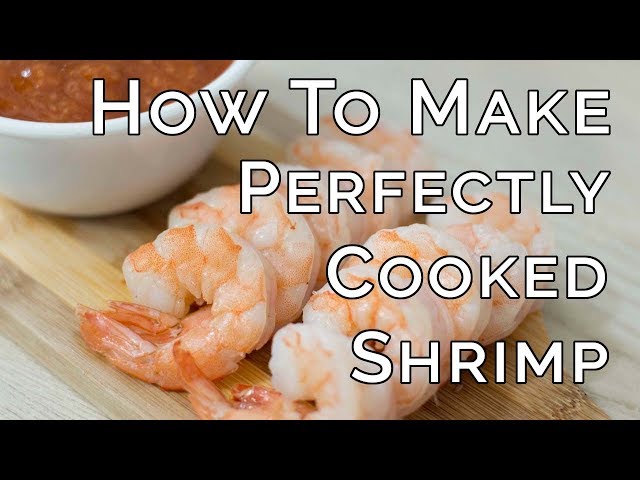
Cooking shrimp is a culinary technique that involves applying heat to shrimp in order to make it palatable and safe to eat. The cooking time for shrimp can vary depending on the size, type, and method of cooking. For instance, small shrimp will cook more quickly than large shrimp, and shrimp cooked in the shell will take longer to cook than shrimp that has been peeled and deveined.
It is important to cook shrimp properly in order to ensure that it is safe to eat and to maximize its flavor and texture. Undercooked shrimp can be chewy and rubbery, while overcooked shrimp can be tough and dry. Properly cooked shrimp should be opaque and firm, with a slight pink or orange hue. It should also be cooked to an internal temperature of 145 degrees Fahrenheit.
There are a variety of methods that can be used to cook shrimp, including boiling, steaming, grilling, frying, and baking. The cooking time will vary depending on the method used. For example, boiling shrimp will take about 2-3 minutes, while grilling shrimp will take about 4-5 minutes per side. It is important to follow the cooking instructions carefully to ensure that the shrimp is cooked properly.
How Long Does Shrimp Take to Cook?
Cooking shrimp is a culinary technique that involves applying heat to shrimp in order to make it palatable and safe to eat. The cooking time for shrimp can vary depending on the size, type, and method of cooking. However, there are some general guidelines that can be followed to ensure that shrimp is cooked properly.
- Size: Smaller shrimp will cook more quickly than larger shrimp.
- Type: Shrimp that has been peeled and deveined will cook more quickly than shrimp that is still in the shell.
- Method: Boiling shrimp will take about 2-3 minutes, while grilling shrimp will take about 4-5 minutes per side.
- Temperature: Shrimp should be cooked to an internal temperature of 145 degrees Fahrenheit.
- Color: Properly cooked shrimp should be opaque and firm, with a slight pink or orange hue.
- Texture: Properly cooked shrimp should be slightly firm to the touch, but not tough or rubbery.
- Flavor: Properly cooked shrimp should have a slightly sweet and briny flavor.
By following these guidelines, you can ensure that your shrimp is cooked perfectly every time. Properly cooked shrimp is a delicious and healthy addition to any meal.
Size
The size of shrimp is an important factor to consider when cooking shrimp. Smaller shrimp will cook more quickly than larger shrimp because they have less meat and a thinner shell. This means that the heat can penetrate the shrimp more quickly and cook it evenly. For example, small shrimp can be cooked in about 2-3 minutes, while large shrimp may take 4-5 minutes or more to cook.
It is important to be aware of the size of the shrimp you are cooking so that you can adjust the cooking time accordingly. Overcooked shrimp can be tough and rubbery, while undercooked shrimp can be chewy and unsafe to eat. By following the cooking guidelines for the specific size of shrimp you are cooking, you can ensure that your shrimp is cooked perfectly every time.
In addition to the cooking time, the size of the shrimp can also affect the flavor and texture of the shrimp. Smaller shrimp tend to be more tender and flavorful than larger shrimp. This is because smaller shrimp have a higher surface area to volume ratio, which means that they absorb more of the cooking liquid and seasonings. As a result, smaller shrimp are often preferred for dishes where the shrimp is the star of the show, such as shrimp scampi or shrimp cocktail.
Type
The type of shrimp you are cooking can also affect the cooking time. Shrimp that has been peeled and deveined will cook more quickly than shrimp that is still in the shell. This is because the shell acts as a barrier to heat, so it takes longer for the heat to penetrate the shrimp and cook it evenly. In addition, the shell can also trap water, which can make the shrimp soggy. As a result, it is best to peel and devein shrimp before cooking it, especially if you are using a quick-cooking method such as stir-frying or grilling.
For example, if you are boiling shrimp, peeled and deveined shrimp will cook in about 2-3 minutes, while shrimp that is still in the shell will take about 4-5 minutes to cook. Similarly, if you are grilling shrimp, peeled and deveined shrimp will cook in about 4-5 minutes per side, while shrimp that is still in the shell will take about 6-7 minutes per side to cook.
It is important to be aware of the type of shrimp you are cooking so that you can adjust the cooking time accordingly. Overcooked shrimp can be tough and rubbery, while undercooked shrimp can be chewy and unsafe to eat. By following the cooking guidelines for the specific type of shrimp you are cooking, you can ensure that your shrimp is cooked perfectly every time.
Method
The cooking method is a major factor that affects how long it takes to cook shrimp. Boiling shrimp is a quick and easy method that is suitable for all types of shrimp. Grilling shrimp takes a bit longer, but it imparts a delicious smoky flavor to the shrimp.The cooking time for boiling shrimp is about 2-3 minutes, while the cooking time for grilling shrimp is about 4-5 minutes per side. However, it is important to note that the cooking time may vary depending on the size and type of shrimp, as well as the temperature of the grill or boiling water.It is important to cook shrimp until it is opaque and firm, and the internal temperature reaches 145 degrees Fahrenheit. Overcooked shrimp can be tough and rubbery, while undercooked shrimp can be chewy and unsafe to eat.By understanding the cooking times for different methods, you can ensure that your shrimp is cooked perfectly every time.
For example, if you are boiling 1 pound of small shrimp, you can expect it to cook in about 2-3 minutes. However, if you are grilling 1 pound of large shrimp, you can expect it to cook in about 4-5 minutes per side.It is important to be aware of the cooking times for different methods so that you can adjust the cooking time accordingly. This will help you to ensure that your shrimp is cooked perfectly every time.
In conclusion, the cooking method is an important factor to consider when cooking shrimp. By understanding the cooking times for different methods, you can ensure that your shrimp is cooked perfectly every time.
Temperature
The internal temperature of shrimp is a critical factor in determining how long it takes to cook. Shrimp should be cooked to an internal temperature of 145 degrees Fahrenheit to ensure that it is safe to eat and to maximize its flavor and texture. Cooking shrimp to the proper internal temperature helps to kill bacteria and parasites that may be present in the shrimp, and it also helps to prevent the shrimp from becoming tough and rubbery.
- Food Safety: Cooking shrimp to an internal temperature of 145 degrees Fahrenheit is essential for food safety. Undercooked shrimp can contain harmful bacteria, such as Vibrio vulnificus, which can cause serious illness. Cooking shrimp to the proper internal temperature helps to kill these bacteria and prevent foodborne illness.
- Flavor and Texture: Cooking shrimp to an internal temperature of 145 degrees Fahrenheit also helps to maximize its flavor and texture. Properly cooked shrimp is tender and juicy, with a slightly firm texture. Overcooked shrimp is tough and rubbery, and it can have a bland flavor.
To ensure that shrimp is cooked to the proper internal temperature, it is important to use a food thermometer. Insert the thermometer into the thickest part of the shrimp, being careful not to touch the shell. The shrimp is cooked when the internal temperature reaches 145 degrees Fahrenheit.
By following these guidelines, you can ensure that your shrimp is cooked perfectly every time. Properly cooked shrimp is a delicious and healthy addition to any meal.
Color
The color of shrimp is a key indicator of how long it has been cooked. Properly cooked shrimp should be opaque and firm, with a slight pink or orange hue. This color change is due to a chemical reaction that occurs when the shrimp is heated. As the shrimp cooks, the proteins in the shrimp denature and the color changes from translucent to opaque. The pink or orange hue comes from the carotenoids in the shrimp, which are antioxidants that give shrimp its characteristic color.
It is important to cook shrimp to the proper color to ensure that it is safe to eat. Undercooked shrimp can be chewy and rubbery, and it may contain harmful bacteria. Overcooked shrimp is tough and dry, and it has a bland flavor. By cooking shrimp to the proper color, you can ensure that it is cooked evenly and that it is safe to eat.
Here are some examples of how the color of shrimp can be used to determine how long it has been cooked:
- Raw shrimp is translucent and has a grayish hue.
- Partially cooked shrimp is opaque and has a slight pink or orange hue.
- Fully cooked shrimp is opaque and has a bright pink or orange hue.
By understanding the color changes that occur when shrimp is cooked, you can ensure that your shrimp is cooked perfectly every time.
In conclusion, the color of shrimp is a key indicator of how long it has been cooked. By understanding the color changes that occur when shrimp is cooked, you can ensure that your shrimp is cooked evenly and that it is safe to eat.
Texture
The texture of shrimp is a key indicator of how long it has been cooked. Properly cooked shrimp should be slightly firm to the touch, but not tough or rubbery. This texture is achieved when the shrimp is cooked to an internal temperature of 145 degrees Fahrenheit.
Cooking shrimp for too short a time will result in undercooked shrimp, which will be chewy and rubbery. This is because the proteins in the shrimp have not had enough time to denature and coagulate. Overcooking shrimp will result in tough and dry shrimp, as the proteins have become too tightly bound together.
The texture of shrimp is also affected by the cooking method. Boiling shrimp is a quick and easy method that results in tender and juicy shrimp. Grilling shrimp imparts a smoky flavor to the shrimp, but it can also make the shrimp slightly tougher. Frying shrimp is a quick and easy method that results in crispy and flavorful shrimp.
By understanding the relationship between cooking time and texture, you can cook shrimp perfectly every time. Properly cooked shrimp is a delicious and versatile ingredient that can be used in a variety of dishes.
Flavor
The flavor of shrimp is an important indicator of how long it has been cooked. Properly cooked shrimp should have a slightly sweet and briny flavor. This flavor is achieved when the shrimp is cooked to an internal temperature of 145 degrees Fahrenheit.
Cooking shrimp for too short a time will result in undercooked shrimp, which will have a bland and watery flavor. This is because the Maillard reaction, which is responsible for the development of flavor in cooked foods, has not had enough time to occur. Overcooking shrimp will result in tough and dry shrimp, as the proteins have become too tightly bound together and the natural juices have been lost.
The cooking method also affects the flavor of shrimp. Boiling shrimp is a quick and easy method that results in tender and juicy shrimp with a mild flavor. Grilling shrimp imparts a smoky flavor to the shrimp, while frying shrimp results in a crispy and flavorful shrimp.
By understanding the relationship between cooking time and flavor, you can cook shrimp perfectly every time. Properly cooked shrimp is a delicious and versatile ingredient that can be used in a variety of dishes.
FAQs about Shrimp Cooking Time
This section addresses frequently asked questions and misconceptions about shrimp cooking times to provide comprehensive guidance for preparing this versatile seafood.
Question 1: How long does it take to boil shrimp?
Answer: Cooking times vary based on shrimp size and whether they are peeled and deveined. Small peeled and deveined shrimp take about 2-3 minutes, while larger shrimp or those still in the shell may require 4-5 minutes.
Question 2: How long should shrimp be grilled?
Answer: Grill shrimp for 4-5 minutes per side, or until they turn opaque and slightly firm to the touch.
Question 3: Can I overcook shrimp?
Answer: Yes, overcooking shrimp can make them tough and rubbery. It’s essential to cook shrimp just until they are opaque and firm.
Question 4: How do I know when shrimp are done cooking?
Answer: Look for the shrimp to turn opaque and slightly firm to the touch. You can also insert a thermometer into the thickest part of the shrimp; it should read 145F (63C) when done.
Question 5: Why is it important to cook shrimp thoroughly?
Answer: Cooking shrimp thoroughly kills harmful bacteria that may be present, ensuring food safety and preventing illness.
Question 6: Can I eat undercooked shrimp?
Answer: No, consuming undercooked shrimp can lead to foodborne illnesses due to the presence of harmful bacteria.
Summary: Understanding proper shrimp cooking times is crucial for ensuring food safety, achieving the desired texture, and maximizing flavor. Always cook shrimp to an internal temperature of 145F (63C) and monitor them closely during cooking to prevent overcooking.
Transition: Explore further in the next section to delve into the nutritional value and health benefits of shrimp.
Tips for Cooking Shrimp Perfectly
Cooking shrimp may appear simple, but mastering the techniques ensures optimal flavor and texture. Here are some essential tips to guide you:
Tip 1: Choose the Right Cooking Method
The cooking method significantly impacts the final outcome. Boiling and steaming are gentle methods that preserve shrimp’s natural flavor. Grilling imparts a smoky flavor, while frying yields a crispy exterior. Select the technique that aligns with your desired taste and texture.
Tip 2: Cook Shrimp to the Correct Temperature
To ensure food safety and optimal texture, cook shrimp to an internal temperature of 145F (63C). Use a meat thermometer to accurately measure the temperature, inserting it into the thickest part of the shrimp.
Tip 3: Avoid Overcrowding the Pan
Overcrowding the pan prevents shrimp from cooking evenly and can result in steamed rather than seared shrimp. Cook shrimp in a single layer, allowing space between each piece.
Tip 4: Season Shrimp Appropriately
Enhance the flavor of shrimp with seasonings such as salt, pepper, garlic, and paprika. Experiment with different spice blends to create unique flavor profiles.
Tip 5: Cook Shrimp Just Until Opaque
Shrimp cooks quickly, so it’s crucial to monitor them closely to prevent overcooking. Cook shrimp just until they turn opaque and firm to the touch, avoiding rubbery or tough textures.
Tip 6: Don’t Overcook Frozen Shrimp
Frozen shrimp requires less cooking time than fresh shrimp. Adjust the cooking time accordingly to prevent overcooking and ensure a tender texture.
Tip 7: Use a Marinade for Extra Flavor
Marinating shrimp in a flavorful liquid, such as a mixture of olive oil, lemon juice, and herbs, infuses them with additional moisture and taste.
Summary: By following these tips, you can consistently cook shrimp that is flavorful, tender, and perfectly cooked every time. Experiment with different cooking methods and seasonings to discover your preferred techniques and create delicious shrimp dishes.
Transition: Understanding the nutritional benefits of shrimp enriches our appreciation for this versatile seafood. Explore the next section to learn about the health advantages of incorporating shrimp into your diet.
Conclusion
In summary, understanding the factors that influence shrimp cooking time is essential for achieving perfectly cooked shrimp. By considering the size, type, and cooking method, and by monitoring the shrimp closely during cooking, you can ensure that your shrimp is cooked to perfection every time.
Properly cooked shrimp is not only delicious but also a nutritious addition to your diet. Packed with protein, omega-3 fatty acids, and essential vitamins and minerals, shrimp offers numerous health benefits. Incorporating shrimp into your meals is a great way to support a healthy and balanced lifestyle.
Youtube Video: